
 Apple
Apple
 Samsung
 Google Pixel
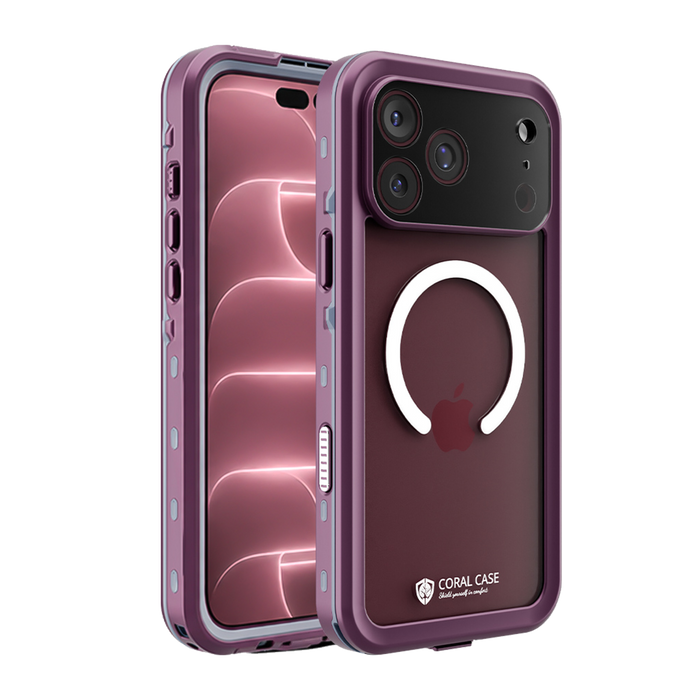

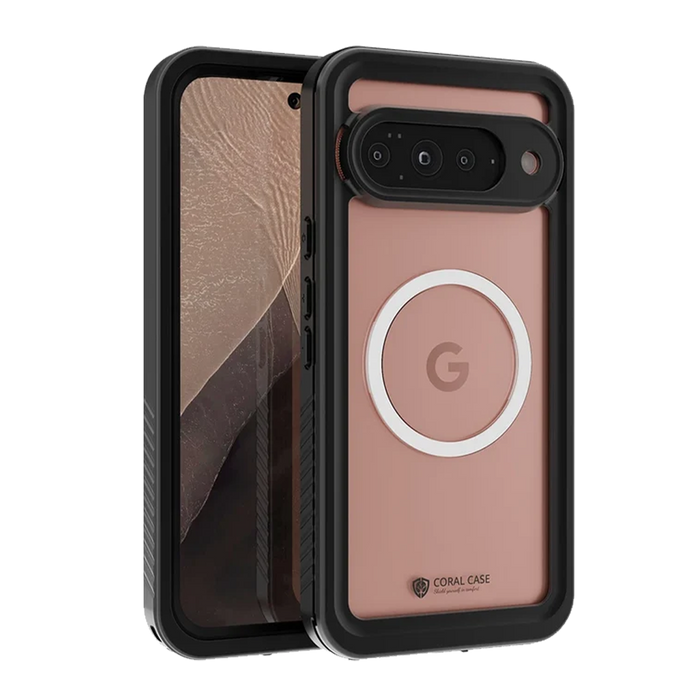


 Samsung
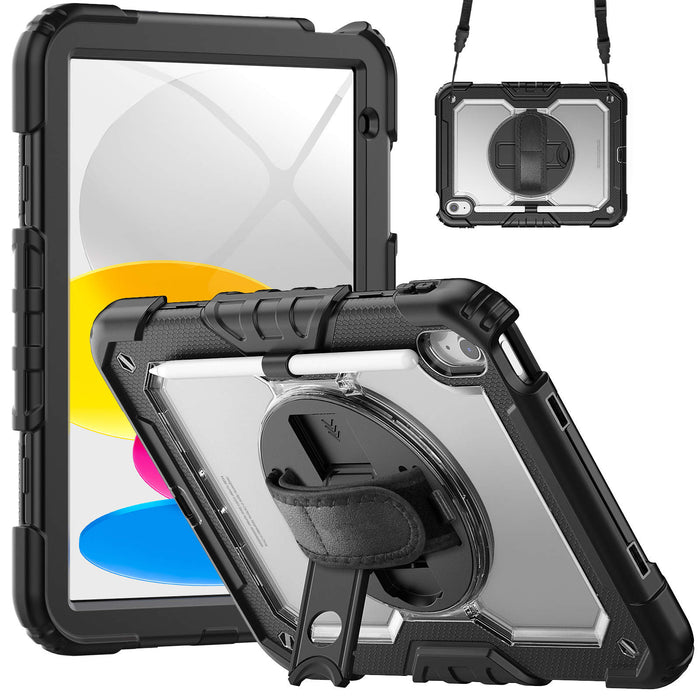
How To Open A Waterproof Phone Case Safely and Effectively
Understanding Waterproof Phone Cases
Before we dive into the steps for opening a waterproof case, it’s important to understand how these cases work and why opening them the right way matters.
What Makes a Phone Case Waterproof?
A waterproof phone case is designed to keep your device safe from water, dust, and dirt. These cases feature high-quality seals, gaskets, and locking mechanisms that ensure no moisture can penetrate the case and reach your phone. However, it’s crucial to remember that these cases don’t last forever. Over time, seals can wear out, and the case may lose its waterproof capabilities if not maintained properly.
Waterproof cases come in several styles, and understanding these differences will help you figure out the best way to open them.
Check Also: iPhone 17 Pro Max Waterproof Shockproof Case & Galaxy S26 Ultra Waterproof Shockproof Case.
Types of Waterproof Cases
· Pouch-style Cases: These are typically made of flexible plastic or silicone and feature a secure sealing mechanism (such as a zip-lock or clip) to keep the phone dry. They are ideal for people who want to use their phone near water without worrying about damage.
· Rugged Enclosures: These are hard-shell cases that often feature more complex waterproofing technology, such as rubberised seals and latches. They offer more protection against physical damage while keeping your phone safe from water.
· Universal Fit Cases: These cases are designed to fit various phone models, making them a convenient option. However, since they aren’t custom-fit, ensuring the seal is tightly secured is even more critical.
Why It’s Important to Open the Case Properly
Opening the case incorrectly can damage the seals or the locking mechanisms, making the case less effective at keeping water out. The last thing you want is to open the case and realise that the seal is no longer tight, risking exposure to water when you close it again. Improper handling can also lead to scratches or cracks on the case, compromising its structural integrity. Taking the right approach ensures that the case remains fully functional and your phone stays dry.
Tools You Might Need
Before you start opening your waterproof case, having the right tools can make the process easier and safer.
Common Tools for Opening Waterproof Cases
· Plastic Pry Tools: These are typically used to gently open tight seals without causing damage to the case. Plastic tools won’t scratch or crack the surface, unlike metal tools that can leave marks.
· Coins: In some cases, a simple coin can be useful to twist open a twist-lock mechanism. Just be careful not to apply too much force, as this can damage the lock.
· Rubber Gloves: If your hands are slippery from sweat or water, wearing rubber gloves will help you get a better grip, especially on tight or stubborn seals.
· Compressed Air or Soft Brush: For cases with debris build-up around the seals, compressed air or a soft brush can help clear the grime before attempting to open the case.
Why the Right Tools Matter
Using the correct tools reduces the risk of damaging both the case and your phone. Plastic pry tools, for instance, are designed to gently separate the case’s parts without damaging delicate seals. Using an object like a coin can apply too much force or cause scratches. Therefore, it’s important to choose tools that are specifically designed for this task.
Step-by-Step Instructions to Open the Case
Each waterproof case has a slightly different opening mechanism, but the process is generally the same across most designs. Follow these steps to open your case safely.
Step 1: Prepare Your Work Area
Before you begin, find a clean, flat surface to work on. This ensures that you won’t accidentally drop the case or get debris inside it while handling it. Clean your hands and dry off the phone case to avoid introducing moisture into the case.
Step 2: Remove the Case from Your Body or Bag
If the waterproof case is part of a larger protective setup (such as a pouch worn on your body or strapped to a bag), carefully remove it from these attachments. This allows you to have a clearer view of the case’s locking mechanism.
Step 3: Locate the Seal or Lock
Depending on the type of case you have, you’ll either see a zip-lock, twist-lock, or latch mechanism that keeps the case sealed. Identify which kind of lock or seal your case uses so you can proceed appropriately.
Step 4: Open the Seal Carefully
· Twist-lock cases: These often require you to twist the locking mechanism in the opposite direction of the lock symbol. Use a coin or a plastic tool to make this process easier if it’s too tight by hand.
· Snap-on cases: If your case uses a snap-on closure, gently pry open the case by working your way around the perimeter. You might need a plastic pry tool to safely pop the case apart.
· Latch cases: For latches, simply unhook or release the latch and slowly pull the two halves of the case apart.
Step 5: Check for Debris
Before you pull the phone out, inspect the seals for any dirt, grime, or water that might have entered during your activities. Gently wipe away any debris with a soft cloth or use compressed air to clear the area.
Step 6: Remove Your Phone
Carefully take your phone out of the case once it’s fully opened. Be gentle and avoid applying unnecessary force that could damage the phone or case.
Troubleshooting Common Problems
Sometimes, waterproof cases can become difficult to open. Here are some solutions to common issues:
Case Too Tight to Open
If your case feels tight or difficult to open, check if any debris is lodged in the seal. You can use a soft brush or compressed air to clear away any dirt. Alternatively, running warm water around the edges (without submerging the entire case) can loosen the seal if it has become sticky.
Stiff Seals
Seals can become stiff over time, especially in cases that have been exposed to saltwater or prolonged sun exposure. Applying a small amount of lubricant (like silicone grease) around the seal can help keep it flexible and make it easier to open and close in the future.
Grime or Gunk on the Seal
To remove grime or sticky residues, gently clean the seal with a soft cloth or a toothbrush. If the case has been submerged in water, ensure it is thoroughly dry before attempting to open it.
After Opening: Inspecting and Testing the Case
Once you’ve successfully opened the waterproof phone case, it’s essential to check its integrity.
Inspect the Seal
Examine the case's seals and locking mechanisms for any visible wear or damage. If you notice any tears, cracks, or misalignment, the case may no longer provide adequate protection against water.
Conduct a Water Test
If you want to make sure your waterproof case is still functioning properly, perform a water test. Seal the case (without the phone inside) and submerge it in a bowl of water for a few minutes. If the case remains dry on the inside, it’s safe to use again. If you notice any water inside the case, it may be time to replace it.
Preventing Issues in the Future
To keep your waterproof case in good condition, follow these tips:
· Clean Regularly: Rinse the case with fresh water after each use, especially if it’s been exposed to saltwater or mud.
· Avoid Over-tightening: When sealing the case, ensure it’s tight but not over-tightened. Applying too much force can damage the seals or locking mechanism.
· Store Properly: When not in use, store the case in a dry, cool place away from direct sunlight or extreme temperatures to preserve its waterproofing capabilities.
Conclusion
Opening a waterproof phone case doesn’t have to be a difficult task, provided you follow the right steps. By using the proper tools, handling the case gently, and inspecting it for damage, you can ensure that your device remains protected and in top working condition. Remember to perform regular maintenance and testing to keep your case functional for future adventures. With these tips, you’ll have no trouble opening your waterproof case safely and effectively while preserving its waterproof capabilities.


